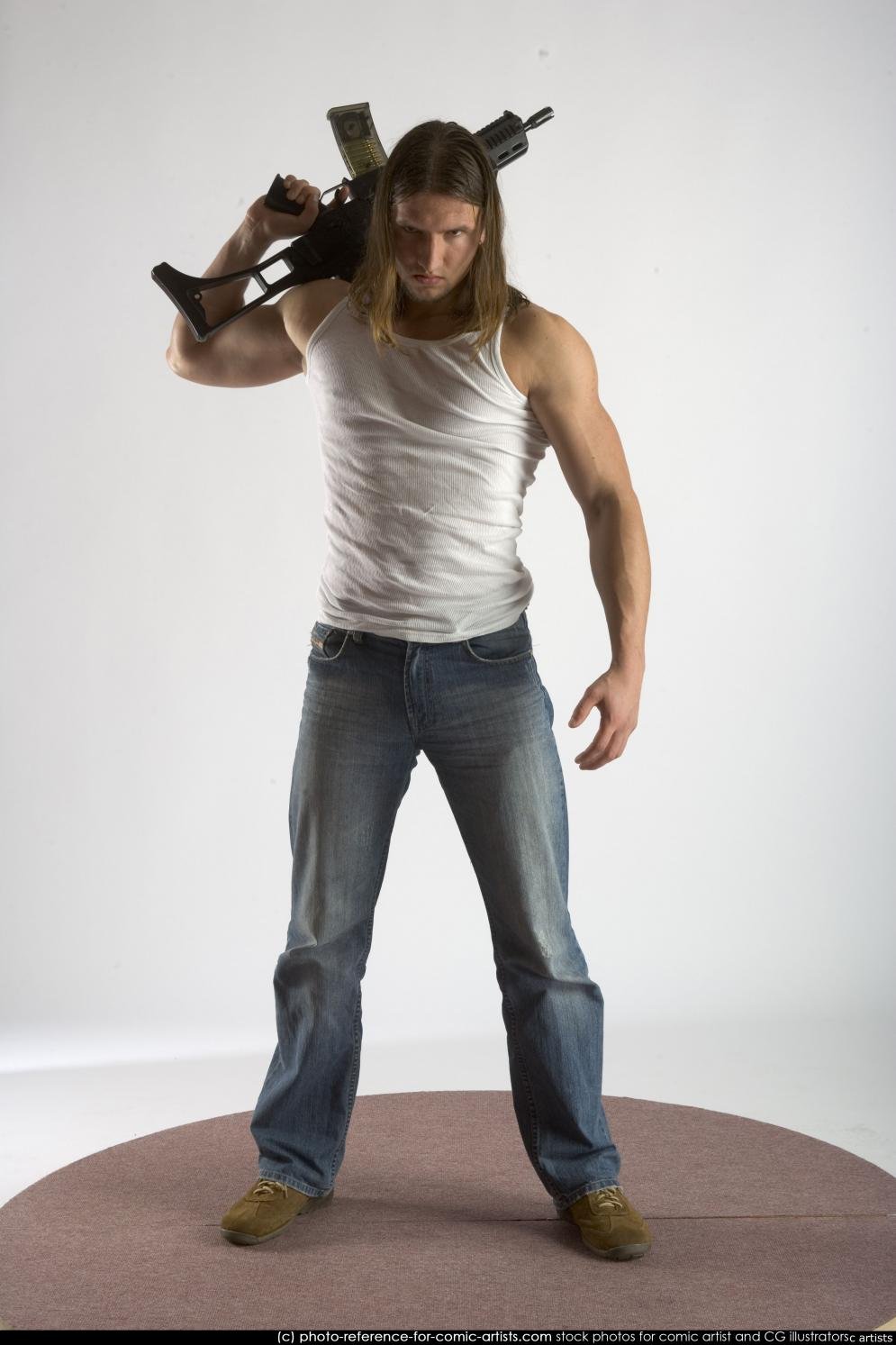
Moving beyond basic proportions and foundational sketching, advanced figure drawing isn't just about rendering what you see; it’s about understanding, interpreting, and imbuing your subjects with life, weight, and emotion. This is where your figures transcend simple outlines to tell a story, capturing the nuanced interplay of movement, form, light, and masterful composition.
For many artists, this journey from competent to captivating marks a pivotal shift. It’s about developing a deeper visual intelligence, an intuitive grasp of the human body's complex mechanics, and the expressive power of line and tone. If you're ready to elevate your artistic practice, diving into these advanced concepts will equip you with the tools to create truly resonant and dynamic figures.
At a Glance: Key Takeaways for Advanced Figure Drawing
- Beyond Surface Anatomy: Develop a thorough understanding of the skeletal and muscular systems, focusing on how they interact during movement.
- Dynamic Gesture: Master gesture drawing to capture energy and flow, not just static poses, using the line of action as your guide.
- Sculpting with Light: Harness chiaroscuro and sophisticated value control to create depth, volume, and mood.
- Spatial Mastery: Employ perspective, foreshortening, and intelligent composition to place figures convincingly in space.
- Experimental Expression: Explore mixed media and unconventional techniques to push your creative boundaries.
- Continuous Learning: Embrace regular practice, seek constructive feedback, and prioritize life drawing sessions to refine your eye and technique.
Deeper Foundations: The Blueprint of the Human Form
Before you can confidently manipulate form and light, you need an intimate knowledge of what lies beneath the skin. Think of yourself as an architect, understanding the building's hidden structure before you can design its facade.
Anatomy: Beyond the Surface Level
The human body is an intricate machine, a marvel of engineering. Advanced figure drawing demands you move past memorizing muscle names and truly grasp the skeletal system as the foundational framework, providing support, leverage, and defining the body's primary shapes. Layered upon this, the muscular system adds volume, defines contours, and, crucially, dictates movement.
Your goal here isn't to draw an anatomical chart, but to understand how major muscle groups – like the powerful quadriceps in the thighs, the bulging biceps and triceps in the arms, or the broad pectorals and deltoids – interact. Pay attention to how they compress and stretch, how they create tension, and how specific anatomical landmarks (such as the prominent clavicle, the movable scapula, or the curving iliac crest) influence surface forms and communicate precise positioning. This deep understanding is vital for accurate representation, conveying raw emotion, and establishing proper figure placement within a scene.
Proportions: The Elusive "Ideal"
While the classic "eight heads tall" guideline for the average adult figure serves as a good starting point, advanced artists understand proportions are flexible guidelines, not rigid rules. Real people come in infinite variations, and your goal is to depict these realities, or to purposefully distort them for artistic effect.
Beyond overall height, advanced proportion work involves observing and applying relationships between body parts: how shoulder width compares to hips, the length of the limbs relative to the torso, or the precise placement of joints. Techniques like measuring with a pencil (a tried-and-true method for comparing relative lengths and angles) or using comparative methods against known reference points become second nature. This isn't about rote replication, but about developing an internal proportional sense that allows you to quickly assess and correct your drawing, whether working from life or imagination.
Structure & Construction: Building in 3D Space
To truly build three-dimensional forms on a two-dimensional surface, you must think sculpturally. This means starting with simple geometric shapes – spheres for joints, cylinders for limbs, and boxes or simplified masses for the torso and pelvis. This "construction drawing" method is fundamental.
It's your mental armature, allowing you to:
- Maintain Correct Perspective: Each geometric form responds to perspective rules, making it easier to ensure the entire figure aligns with your chosen viewpoint.
- Establish Depth: Overlapping forms and varying sizes of these basic shapes naturally create the illusion of depth.
- Adjust Poses Effortlessly: Before committing to detail, you can manipulate these simple forms, rotating and repositioning them until the pose feels natural and dynamic.
From these basic forms, you then "flesh out" the anatomy, gradually refining the silhouette and adding the complexities of muscles and skin. This systematic approach allows for greater control and accuracy, preventing your figures from looking flat or anatomically unsound.
Capturing Life: Movement & Expressive Form
A figure drawing that simply exists on the page misses the point. Advanced figure drawing breathes life into your subjects, capturing the fleeting essence of movement and the nuanced tapestry of human emotion.
Gesture Drawing: The Soul of the Pose
Gesture drawing is arguably the most critical practice for advanced figure artists. These rapid, intuitive sketches – often completed in as little as 30 seconds to 5 minutes – aren't about detail. They're about capturing the overall flow, rhythm, energy, and essence of a pose. This practice trains your eye to see beyond surface details and focus on the dynamic qualities that give a figure life.
The secret weapon in gesture drawing is the line of action. This single, sweeping curve defines the figure's primary direction and energy, typically running through the spine and extending into the limbs. It acts as the backbone of your drawing, unifying all body parts and simplifying even the most complex poses into an expressive, flowing statement. By mastering the line of action, you establish a powerful sense of narrative and dynamism right from the start. Embrace tools like charcoal, graphite, or brush pens that lend themselves to fluid, expressive marks.
Rendering Muscular Dynamics
Once you’ve captured the core energy with a gesture, the next step is to convey the body's internal dynamics. This involves observing and rendering the subtle interplay of muscular definition and tension. An advanced artist doesn't just draw muscles; they show muscles working.
Begin by refining the basic geometric shapes of your construction drawing into the major muscle groups, paying attention to how they bulge, stretch, or compress depending on the pose and action. Gradually refine these forms with sensitive contours, subtle shifts in tone, and strategic highlights to suggest texture, weight, and depth. Focus on the points of origin and insertion, and how these create specific surface forms. A clenched fist, a reaching arm, a twisted torso – each action reveals the underlying muscular tension that communicates effort and intent.
The Expressive Face: More Than Just Features
The face, with its intricate structure and profound emotional significance, presents a unique challenge and opportunity. Advanced artists understand that the face is a miniature landscape of emotion, capable of conveying a universe of feeling with the slightest adjustment.
Beyond standard proportions – such as the distance between eyes typically equaling one eye's width, or the bottom of the nose generally aligning with the bottom of the earlobe – you must develop a keen eye for subtle variations. Facial expressions are created by minuscule changes in muscle tension around the eyes, brows, mouth, and jaw. Practice drawing faces from a myriad of angles and emotional states, studying how these small shifts alter the entire character and personality of your subject. The ability to convey emotion through facial expression transforms a mere likeness into a compelling portrait.
Sculpting with Light: Value, Shadow, and Depth
Light isn't just about illuminating; it's about sculpting. Understanding how light interacts with the human form is crucial for creating figures that feel three-dimensional, weighty, and truly present in space.
Chiaroscuro: The Drama of Light and Dark
Chiaroscuro, meaning "light-dark," is a technique that uses strong contrasts between light and dark areas to model form, create depth, establish structure, and evoke a powerful mood. It's about harnessing drama and volume.
To employ chiaroscuro effectively, you need to meticulously balance:
- Highlights: The areas receiving direct light, often the brightest points.
- Mid-tones: The transitional values between light and shadow, defining the general form.
- Shadows: The areas where light is blocked, defining edges, weight, and recession.
Actionable Insight: Practice through dedicated value studies or monochrome sketches using charcoal or graphite. These exercises force you to focus solely on tonal range, allowing you to master the control needed to create convincing form and atmosphere.
Directing the Illumination: Light Sources
The direction and intensity of your light source fundamentally determine how a figure appears.
- Directional Light: A strong, focused light source (like a spotlight or direct sunlight) creates sharp shadows and strong, distinct highlights, emphasizing form and drama.
- Diffuse Light: A softer, more ambient light (like an overcast day or indirect room light) softens transitions between light and shadow, resulting in gentler forms and less dramatic contrast.
A key principle in advanced drawing is to always use a single, consistent light source for your figure. Introducing multiple, conflicting light sources without careful planning can lead to confusion, flatten your forms, and undermine the illusion of three-dimensionality. Imagine a stage production: a single, well-placed light creates focus and drama; too many lights create a chaotic visual.
Mastering Value: Creating Three-Dimensionality
Value refers to how light or dark an area appears, ranging from pure white to absolute black. Mastering value is paramount for making your figures pop off the page. It's the engine of three-dimensionality.
Effective value management involves:
- Value Contrast: Strategically manipulating the difference between light and dark areas not only models form but also separates the figure from the background, creating spatial depth.
- Full Range: Utilizing a complete spectrum from the lightest highlight to the darkest shadow builds the most convincing three-dimensional effect.
- Mapping Values: Many advanced artists map out their values before adding fine detail, often using a five-step value scale (white, light gray, mid-gray, dark gray, black) as a mental or physical guide. This ensures a balanced distribution of tones across the figure.
Techniques for control:
- Layering: Building up graphite or charcoal tones gradually allows for smooth transitions.
- Blending: Tools like stumps, tortillons, or even tissue paper can soften transitions and create gradual value shifts.
- Erasers: Don't just correct mistakes; use kneaded erasers to lift pigment and create precise highlights or soft-edged light areas.
- Smudging: While less controlled, smudging with a finger or cloth can create atmospheric effects, soft shadows, or a sense of hazy light.
Arranging the Narrative: Space and Composition
A brilliantly drawn figure can still fall flat if it's poorly placed on the page. Advanced figure drawing integrates spatial awareness and sophisticated composition to create compelling narratives. If you're looking for an even deeper dive into the fundamentals of rendering the human form, consider exploring a comprehensive figure drawing guide.
Perspective: Placing the Figure in Space
Perspective defines how objects appear smaller as they recede into space, and it's essential for accurately placing the human body within a depicted environment. For advanced figure drawing, this means understanding how the figure itself adheres to perspective principles using horizon lines and vanishing points.
Whether you're employing one-point (looking straight at the figure), two-point (viewing from an angle), or three-point perspective (including a bird's-eye or worm's-eye view), the goal is consistency.
Actionable Insight: When constructing your figure, sketch basic boxes or cylinders to represent body parts (torso, pelvis, head, limbs) within your chosen perspective grid. This ensures that the proportions remain consistent and the figure feels anchored in its spatial context.
Foreshortening: The Illusion of Proximity
Foreshortening is a visual phenomenon where body parts appear compressed or shortened when viewed from certain angles, creating the powerful illusion that a part is closer to the viewer. Imagine an arm reaching straight out towards you: it appears much shorter and wider than an arm viewed from the side.
Mastering foreshortening requires:
- Observational Acuity: Training your eye to see the actual shapes and overlaps, rather than what you know the limb's full length to be.
- Comparative Measurement: Carefully comparing the relative lengths and widths of foreshortened parts against other elements of the figure.
- Angle Awareness: Measuring the angles of receding lines accurately.
- Contour Lines: Using contour lines to wrap around the forms, emphasizing their three-dimensionality and recession into space.
Actionable Insight: Practice drawing figures from extreme angles. Start by simplifying the limb into geometric blocks, then observe how those blocks overlap and diminish in size as they recede.
Dynamic Compositions: Guiding the Eye
Composition is the art of arranging elements within your drawing for balance, harmony, and visual interest. For advanced figure drawing, it's about making your composition dynamic and compelling.
Beyond standard approaches like the Rule of Thirds (placing the figure off-center for greater visual interest) or using Leading Lines (elements that direct the viewer's eye through the composition), consider:
- Negative Space: The shapes created by the background around and within the figure are just as important as the figure itself. Manipulating negative space can enhance the figure's form and imply movement.
- Tilted Horizon Lines: A slightly tilted horizon can suggest instability, speed, or a dramatic angle.
- Exaggerated Perspective: Purposefully pushing perspective can create a sense of grandeur, intimacy, or distortion for expressive effect.
- Diagonal Arrangements: Figures arranged along diagonal lines often suggest movement, tension, and energy, preventing a static feel.
Actionable Insight: Before you commit to a full drawing, create several small thumbnail sketches. These quick, rough compositional studies allow you to test different arrangements, experiment with cropping, and assess the overall impact without investing too much time.
Pushing Boundaries: Advanced Techniques & Experimentation
Once you've solidifed your understanding of form, light, and composition, you're ready to explore how you apply your media, and even push the boundaries of what figure drawing can be.
Refined Line Work and Blending
The way you apply your medium is as expressive as the forms you create. Advanced artists have a rich vocabulary of mark-making techniques.
- Hatching: Using parallel lines to build tone. The closer the lines and the greater the pressure, the darker the value. Varying the direction of hatching can also describe form.
- Cross-hatching: Layering a second set of parallel lines over the first, often at a perpendicular or diagonal angle. This dramatically increases the tonal range and adds complex texture.
- Blending: Softening transitions between values using tools like paper stumps, tortillons, or even a soft brush. This creates smooth, gradual shifts in tone, ideal for rendering subtle skin textures or soft shadows.
- Smudging: A less controlled form of blending, often achieved with a finger or cloth. While it can easily muddy a drawing if overused, it's excellent for creating atmospheric effects, diffused light, or very soft, ethereal shadows.
Mastering these techniques allows you to control the texture, density, and emotional quality of your rendering.
Mixed Media: Layering Complexity
Why limit yourself to a single medium when you can combine them for richer effects? Mixed media approaches create depth, contrast, and complex textures that are impossible with one material alone.
A simple workflow might involve:
- Sketching with Graphite: Establishing the initial gesture and construction.
- Applying an Acrylic Wash: Laying down broad areas of color or tone with a diluted acrylic, which dries quickly and is waterproof, preserving the underlying graphite.
- Adding Collage Elements: Integrating textured papers, fabric, or even found objects to introduce unexpected textures or thematic elements.
- Refining with Pastels or Ink: Using soft pastels for highlights and subtle color shifts, or india ink for bold lines and stark contrasts, to bring out details and add final accents.
The possibilities are endless, allowing you to build up layers of meaning and visual interest.
Experimental Approaches: Breaking the Mold
True mastery isn't just about adhering to rules; it's about knowing when and how to break them creatively. Experimental approaches push your creative boundaries and help you develop a unique artistic voice.
Consider:
- Unconventional Tools: Drawing with sticks, sponges, compressed charcoal blocks, or even non-traditional drawing implements can lead to unexpected and expressive marks.
- Layered Transparency: Using translucent papers or digital layers to superimpose multiple poses or gestures, creating a sense of sequential movement or fragmented identity.
- Mixing Digital and Analog: Sketching traditionally, then scanning and digitally painting over it, or vice versa. This can combine the organic feel of traditional media with the versatility of digital tools.
Embrace curiosity and a willingness to fail. These experiments are not about perfection, but about discovery and expanding your personal artistic language.
The Unending Journey: Continuous Improvement
Advanced figure drawing is not a destination; it's an ongoing journey of learning, refinement, and personal growth. To truly excel, you must commit to consistent practice and an open mindset.
Seeking Feedback & Constructive Critique
One of the fastest ways to improve is to get eyes other than your own on your work. Actively seek out constructive feedback from peers, mentors, or experienced artists. Engaging in critique sessions, whether formal or informal, teaches you to see your work from different perspectives and identify areas for growth you might have overlooked. Be open, listen carefully, and understand that criticism is about the work, not about you as a person.
Dedicated Practice & Varied Exercises
Mastery comes from dedicated, intentional practice. Set aside regular, consistent time for drawing – even if it's just 30 minutes a day. Don't just draw the same thing repeatedly; incorporate a variety of exercises into your routine:
- Gesture Drawing Sessions: Keep your eye sharp and your lines dynamic.
- Anatomical Studies: Deepen your understanding of specific muscle groups and skeletal structures.
- Master Copies: Learn by replicating drawings by artists you admire, analyzing their techniques.
- Blind Contour Drawing: Improve hand-eye coordination and observational skills.
Explore different mediums and styles. Trying a new charcoal type, sketching with ink, or experimenting with digital brushes can foster creativity and help you develop a unique artistic voice that truly reflects your vision.
The Power of Life Drawing
Nothing replaces the invaluable experience of drawing from a live model. Consistent life drawing practice is crucial for:
- Training the Eye: It forces you to observe subtle forms, proportions, and muscle actions in real-time, under natural light, without the flattening effect of a photograph.
- Improving Timing and Focus: Short poses hone your ability to quickly capture essential information.
- Building Confidence: Working under pressure helps you trust your instincts and make decisive marks.
- Understanding Natural Gestures: Models move and shift, providing an endless array of authentic, natural gestures that are difficult to replicate from static images.
Engaging with the human form directly is the ultimate classroom, transforming your understanding of the figure in a way no book or video ever could. It’s here that theory truly comes to life.
Your Path to Mastery
The journey through advanced figure drawing concepts is one of continuous discovery. You're not just learning to draw a body; you're learning to interpret the human experience through your art. Embrace the challenges, celebrate the breakthroughs, and consistently push yourself to observe more keenly, understand more deeply, and express more authentically. Your figures will, in turn, become not just accurate, but resonant, dynamic, and undeniably alive.